Essential Dog Training Tools That Deliver Results
Training a dog can be a challenging yet rewarding experience. With the right tools, you can significantly enhance the learning process for your canine companion. This article delves into various dog training tools that have proven to be effective and beneficial for both trainers and dogs alike. Understanding the purpose of each tool and how to use it effectively can lead to a more harmonious relationship between you and your dog.
Collars and Leashes: The Basics of Training
When it comes to dog training, the basics start with collars and leashes. These essential tools are crucial for teaching obedience and ensuring safety during training sessions. Choosing the right collar can make all the difference. For example, a flat collar is often suitable for everyday use and basic training, while a choke collar or prong collar may be effective for dogs that require more control, but should be used with caution and proper training techniques.
Leashes also play a vital role in training. A standard six-foot leash allows for adequate control while giving your dog some freedom to explore. Retractable leashes can be useful in open spaces, allowing your dog to roam while still maintaining control. However, it is important to use these leashes judiciously to prevent accidents.
- Flat collars for everyday use
- Choke collars for strong pullers
- Prong collars for training control
- Standard six-foot leashes for general training
- Retractable leashes for open areas
Training Clickers: Positive Reinforcement in Action
Clicker training is a popular method based on positive reinforcement. A clicker is a small device that makes a distinct sound when pressed, allowing trainers to mark desired behaviors instantly. This method encourages dogs to repeat behaviors that earn them rewards. For instance, if a dog sits on command, pressing the clicker at that moment reinforces the action, making it more likely that the dog will sit again in the future.
People Also Look For:
- Dog Grooming Scissors, 4-in-1 Dog Grooming Kit with Safety Round Tip, Professional Grooming Shears Set Hair Cutting Trimming Sciss...
- Fur & Bone Double Slow Feeder Dog Bowl | Raised Dog Bowl with Non-Slip Bottom | Cat Food Bowl, Dog Bowls | Dog Water Bowl, Cat Bow...
- Groomi Tool for Animal - Deshedding and Undercoat Brush - Smooth Groomer for Cats, Dogs and Horses - Pet Dematting Comb - Combs fo...
- Diyife Dog Clicker, [2 PCS,Black&Green] Pet Training Clicker with Wrist Strap for Dog Cat Horse
- Fida Dog Rope Toys for Large Dogs, 92cm Indestructible Dog Toys for Tug of War, 100% Natural Cotton Chew Toy for Boredom, Pulling,...
Implementing clicker training requires consistency and timing. Trainers should always have treats on hand to reward the dog immediately after clicking. This immediate feedback helps the dog associate the click with positive outcomes. It is also essential to gradually phase out the clicker as the dog learns the commands, transitioning to verbal cues and rewards instead.
Real World Example of Clicker Training
Consider a scenario where a dog struggles with the command to stay. With clicker training, the owner can start by asking the dog to sit and then introduce the stay command. Each time the dog remains in place, the owner clicks and rewards. Over time, the dog learns to associate remaining in place with positive reinforcement, making it easier to obey the command.
Interactive Toys: Keeping Dogs Engaged During Training
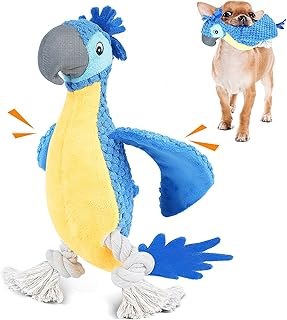
Interactive toys serve dual purposes in dog training; they provide mental stimulation and serve as rewards for good behavior. Toys that dispense treats can be particularly effective in keeping dogs engaged during training sessions. These toys encourage dogs to think critically and work for their rewards, making training more enjoyable.
Consider using puzzle toys that require dogs to solve challenges to receive treats. This not only keeps them entertained but also reinforces the idea that good behavior leads to rewards. Incorporating interactive toys into training sessions can help maintain a dog's interest and enthusiasm, especially during longer training periods.
- Treat-dispensing toys for motivation
- Puzzle toys for critical thinking
- Durable chew toys for distraction
- Interactive games to promote bonding
Training Apps: Technology Enhancing Dog Training
In today's digital age, training apps have emerged as valuable tools for dog owners. These applications offer various resources, including training guides, tracking progress, and connecting with other dog owners. Some apps allow users to customize training plans based on their dog's breed, age, and specific behavioral issues.
For example, an app may provide video tutorials on how to teach basic commands or address common behavioral problems such as barking or chewing. This technology enables dog owners to access expert advice and training techniques at their fingertips, making training more accessible.
Benefits of Using Training Apps
Using training apps can enhance the training experience by providing structured programs and reminders for practice sessions. They can also help track a dog's progress, making it easier to see improvements over time. Additionally, many apps include community features, allowing users to share experiences and tips with fellow dog owners.
- Structured training plans tailored to your dog
- Video tutorials for visual guidance
- Progress tracking for motivation
- Community features for support and advice